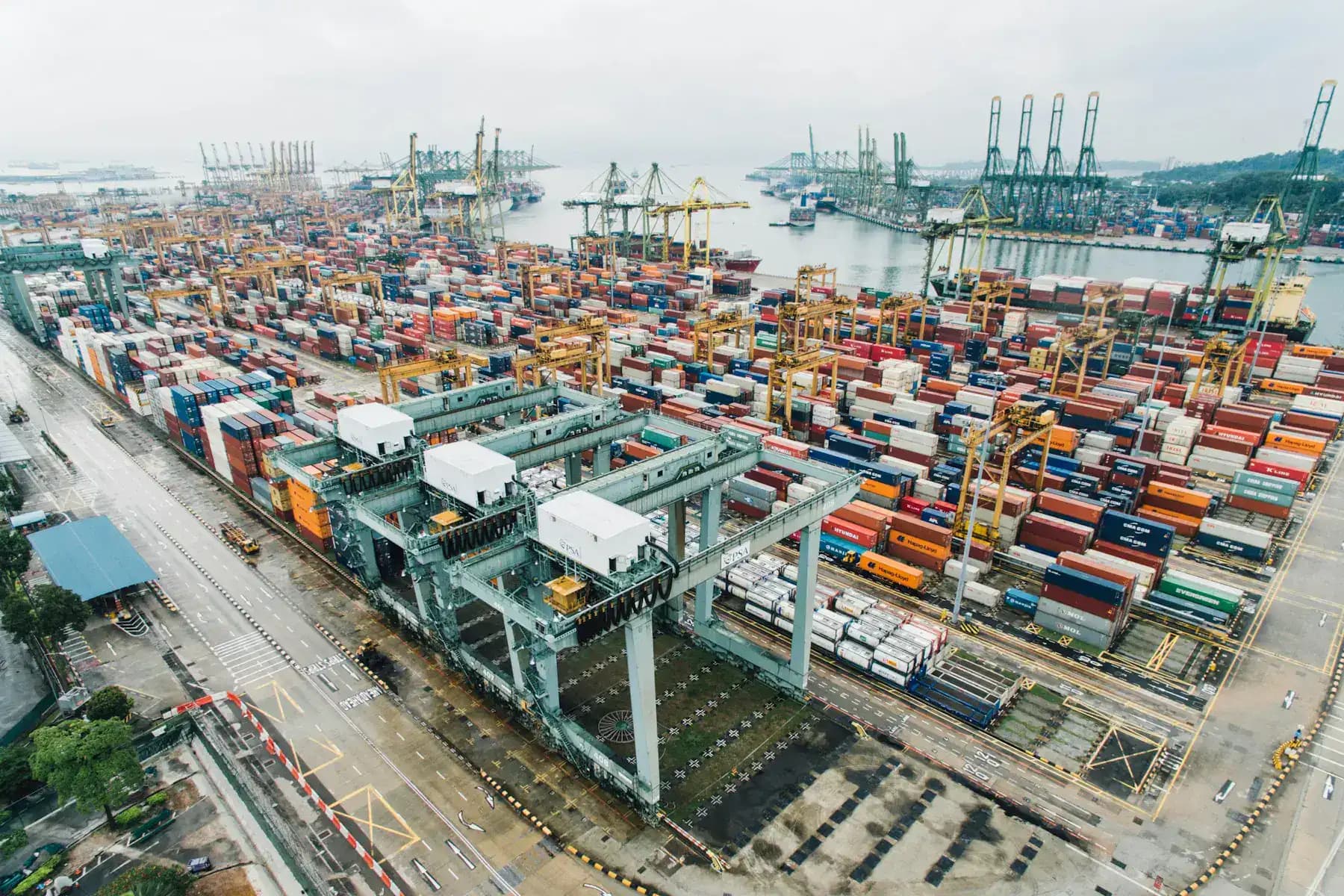
Dispatch, warehouse and field software that connects orders to physical movement - with useful exceptions, recoverable mobile work and evidence at every handoff.
Translate orders and delivery promises into explicit operational constraints.
Choose a role to see its responsibility in the system.
Movement only matters when the handoffs connect.
Turn disconnected shipment events into an operating picture people can act on.
The people, places and operating context shape every product decision.
What needs attention.
The network disappears
Drivers and scanners work at the edge of connectivity. Offline capture needs deliberate conflict and retry behaviour.
The digital status is not the physical state
Missing or delayed events cannot be treated as proof that a shipment reached the next stop.
Exceptions cross teams
Dispatch, the warehouse, customer support and finance need different views of the same delay.
Evidence must stay attached
Photos, signatures and time records lose their value if they cannot be traced to the right consignment.
A closer look at the business context
Goods move through suppliers, hubs, drivers and recipients while their records move through entirely different systems. A late scan, an offline device or a changed route can break the shared view. Logistics software must distinguish confirmed events from estimates and assign the next operational action.
Products built around the job.
Choose a product direction to see who it supports and what it should make easier.
Transport & dispatch workspaces
Order intake, capacity planning, assignment and exception ownership.
Designed to help
Give the next dispatch decision a shared operational context.
Relevant projects and solution directions, alongside practical reading for your next product decision.
Esotek Corporation
Esotek Corporation
Published case study
Esotek Corporation is a premium industrial packaging and printing company specializing in luxury boxes, custom packaging, and precision printing solutions. We created a sophisticated digital presence that reflects its commitment to craftsmanship, innovation, and manufacturing excellence.
Explore the project scope and decisions in its published dossier.
SPI · Smart Automation
SPI · Smart Production Management
Published case study
SPI's BHIVES is an intelligent manufacturing operations platform designed to connect people, processes, and production. We helped bring complex manufacturing workflows into a unified digital experience focused on operational visibility, efficiency, and smarter decision-making.
Explore the project scope and decisions in its published dossier.
HireUTE
HireUTE
Published case study
HireUTE is an on-demand delivery and logistics platform designed to simplify how customers book, manage, and track transportation services. Developed for the Australian market, the platform connects customers with delivery providers through an intuitive digital experience, bringing convenience, operational efficiency, and transparency to local and last-mile deliveries.
Explore the project scope and decisions in its published dossier.
Neuro Kaizen
Neuro Kaizen - Human Performance Platform
Published case study
Neuro Kaizen is a neuroscience-driven performance recovery brand dedicated to helping individuals restore focus, resilience, and peak performance. We created a professional digital experience that communicates its scientific approach while making its specialized services accessible and engaging.
Explore the project scope and decisions in its published dossier.
The Global Investment Hub
The Global Investment Hub
Published case study
The Global Investment Hub is an exclusive private-members investment platform designed to connect institutional capital allocators, deal providers, and professional investors within a secure and verified environment. The platform streamlines member onboarding, verification, and confidential investment opportunities while maintaining a premium user experience.
Explore the project scope and decisions in its published dossier.
Esotek Corporation1 of 5
Projects are selected by their published industry associations.
Explore how Savo builds intelligent AI agents and connected automation workflows that reduce repetitive tasks, streamline operations and help businesses scale.
Discover how Savo approaches secure software development, DevSecOps, quality testing, cloud deployment and ongoing protection to build reliable digital products.
Discover how Savo approaches software delivery with rigorous quality assurance, transparent milestones, source code ownership and NDA-backed confidentiality.
Explore related ideas in our published industry reading.
Core capture can be designed for offline use. The scope must define what is stored locally, how sync is acknowledged, how conflicts are resolved and which actions require a live connection.
Check each carrier's booking, tracking and document interfaces first. Normalise states while retaining source information, and test missing or delayed events.
The illustrated approach keeps dispatchers in control. Constraints, safety rules and operational exceptions must be assessed before a suggested plan is accepted.
Distinguish confirmed scans, last-known location and estimated arrival. Show freshness and uncertainty rather than implying every shipment is tracked continuously.
Offline behaviour, event quality, carrier interfaces, proof requirements and operational roles usually dominate scope. Test one complete shipment journey before expanding.
Logistics & Supply Chain software questions
What needs to work better in logistics & supply chain?
Bring the workflow, the systems it touches and the people who rely on it. We can discuss the constraints and a useful first scope - before choosing the technology.